Devex Systems, Author at Devex Systems | Heating Excellence - Page 5 of 6

I am text block. Click edit button to change this text. Lorem ipsum dolor sit amet, consectetur adipiscing elit. Ut elit tellus, luctus nec ullamcorper mattis, pulvinar dapibus leo.

Devex Systems — Responsive Header
Australia Wide Delivery Same Day Dispatch
Engineers Australia Sydney Division physical wall sign with red hexagon logo

Devex Systems Presents the AB-QM Valve at Engineers Australia!

Devex Systems Presents the AB-QM Valve at Engineers Australia!

Engineers Australia asked Devex Systems to present the new Danfoss AB-QM Pressure Independent Balancing & Control Valve to its members.

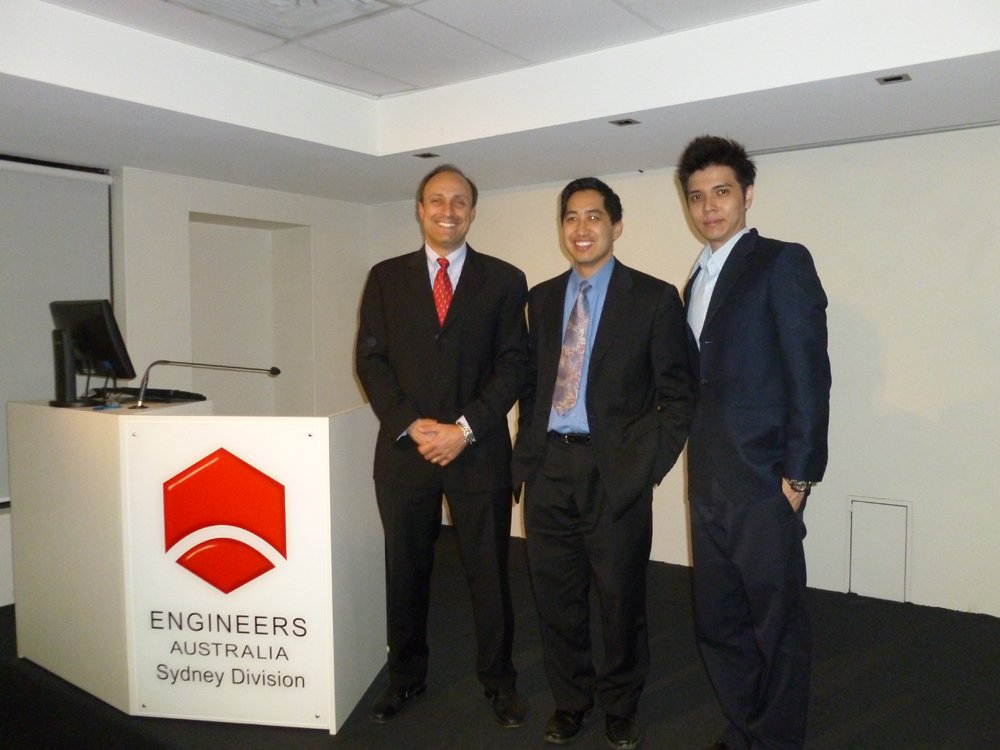
John Balass,  Devex Systems / Andrew Lowe, Engineers Australia / Derek Foong, Danfoss


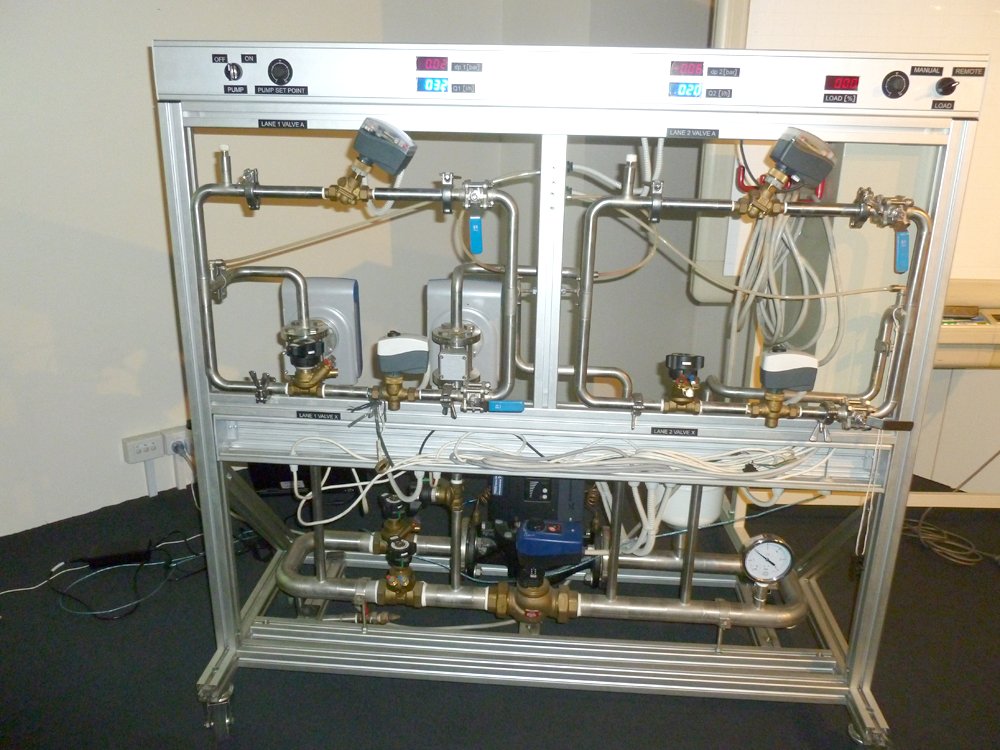
With over 30 mechanical engineers in the audience, John Balass, Managing Director at Devex Systems (far left) and Derek Foong, Danfoss Global Technical Support Manager (far right) presented the functionality and application of the valve and shared the comprehensive findings from a recent test case that was completed at a Sydney University.

The AB-QM Pressure Independent Balancing & Control Valve:  Continuously Optimising HVAC Systems Towards Greater Efficiency

  • Requires fewer parts, less commissioning and the elimination of the need for expensive partner valves and common valves
  • Eliminates over-pumping and the impact of system pressure fluctuations
  • Ensures chiller and boiler efficiencies are at their full potential while effectively delivering improved climate control
  • Delivers significant energy and cost savings
  • Can be used in new construction or retrofit projects
  • A fast payback on a conservative upfront investment for retrofit applications and an immediate payback on new projects
  • The perfect solution for terminal units such as fan coils, chilled ceilings, air handling unites etc. for commercial applications

LEARN MORE ABOUT THE AB-QM VALVE


Visit our website or contact us directly to learn more about upcoming speaking engagements on our products on 1800 636 091 or info@devexsystems.com.au

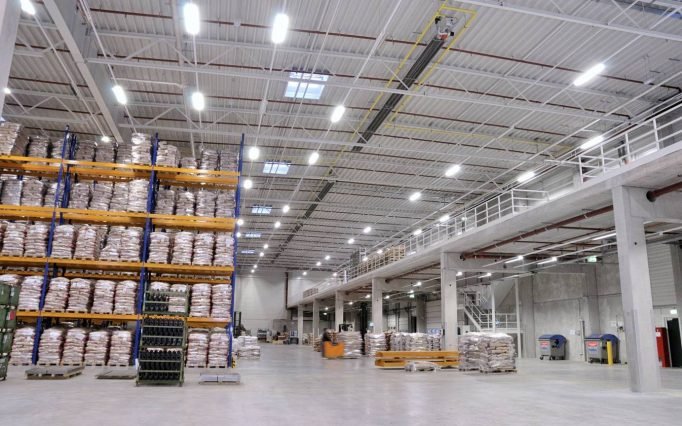
Schwank gas radiant tube heaters installed in large distribution centre warehouse ceiling

12 Advantages of the Schwank Gas Radiant Overhead Tube Heater

The Heating Solution of Choice for Large Applications!

Designed and manufactured by Schwank, a market leader in radiant heating technology and distributed exclusively throughout Australia by Devex Systems.

1) Exceptionally high economic efficiency

2) Uniform and comfortable heat distribution

3) Short warm-up times

4) Long-life cycle and high comfort

5) No dust swirls or draughty air

6) Quality “Made in Germany”

7) Burner technology: Whisper-Jet – A premium class burner

8) Long, laminar flame for improved heat transfer inside the tube

9) Pressure fan design to increase the life cycle of components

10) Operation as quiet as a whisper through optimised flow characteristic inside the burner

11) 2-stage as well as modulating operation to reduce operating costs

12) Patented Schwank ceramic burner tile for the clean combustion of the gas-air-mixture


For more information or to have your plans reviewed for feedback on the specification of a tube heater, please contact us on 1800 636 091 or Email us on info@devexsystems.com.au

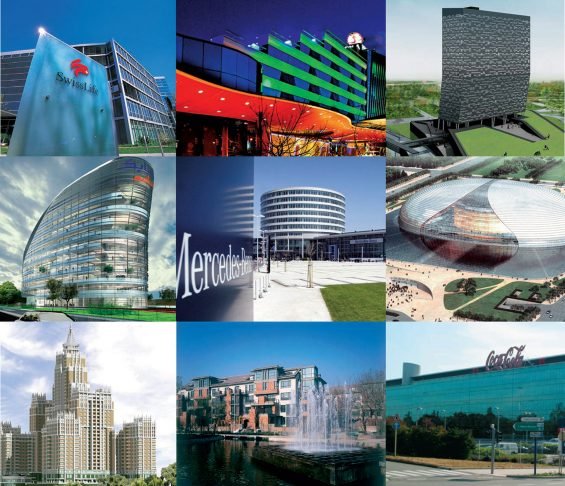
Collage of international commercial building reference projects including Swiss Life, Mercedes-Benz and Coca-Cola facilities

10 Reasons to Consider Specifying the AB-QM Valve on your Next Project!

10 Reasons to Consider Specifying the AB-QM Pressure Independent Balancing & Control Valve on your Next Project

Despite all the innovations in the field of equipment efficiencies, optimising HVAC systems to ensure they consistently operate at an optimum level of efficiency has been a challenge — until now!

Here are a few reasons why you may want to consider specifying the AB-QM Valve on upcoming projects:

1) An innovative 2-in-1 structure, the combination of a compact automatic balancing valve and a control valve

2) Requires fewer parts, less commissioning time and the elimination of the need for expensive partner valves and common valves

3) Effectively eliminates the impact of system pressure fluctuations and continuously optimises HVAC systems towards greater efficiency through the elimination of over-pumping

4) Ensures chiller and boiler efficiencies are at their full potential while effectively delivering improved climate control

5) Enables HVAC systems to stay AUTOMATICALLY optimised

6) Achieves virtually 100% valve authority, consequently improving the indoor air climate by stabilising room air temperature and reducing temperature fluctuations throughout the day

7) Ensures constant flow through the valve irrespective of system pressure fluctuations. The differential pressure controller is designed to keep a constant pressure drop across the valve

8) Reduces the overall capital cost of a new HVAC system

9) Can be used in both new construction and retrofit projects

10) A fast payback on a conservative upfront investment for retrofit applications and an immediate payback on new projects

** Designed by Danfoss, a longstanding market leader in heating and cooling systems
** European parts


Application:

The AB-QM PIBCV is the perfect solution for terminal units such as fan coil units, chilled ceilings, air handlings units etc. in commercial applications.

See Case Studies

See Project References


A Solution for Everyone Involved:

Engineers & Specifiers enjoy the AB-QM’s innovative and comprehensive, 2-in-1 structure because it is a simple and extremely reliable solution to solving a number of temperature and energy wastage problems in large commercial and industrial applications.

Contractors rave about the AB-QM’s ability to eliminate installations of numerous parts involved in the control and adjustment of the HVAC system. The AB-QM valve also makes system commissioning quick and effective for the installer and helps reduce the overall capital cost of a new HVAC system.

Building Owners enjoy substantial savings on their energy bills with a fast payback on a conservative upfront investment for retrofit applications and an immediate payback on new projects. There are significantly less maintenance/service calls required and tenants are much happier with the improved indoor air comfort.

Tenants are much happier because of the reduction of temperature fluctuations throughout the day. They can enjoy a comfortable, balanced and controlled indoor air climate.


How we can Help you to Optimise your HVAC System:

The AB-QM valve can be used in retrofit as well as new construction projects and is the perfect solution for controlling terminal units such as fan coils, chilled ceilings and air handling units. With our extended product range of valve sizes and matching actuators we can offer you perfection in control, even at low flows.

See Pressure Indepndent Control Valves and Actuators

See Automatic Balancing Valves

** Please contact us directly for an extended list of items.


Obligation-free Assessment:

Enquire about our obligation-free assessment for commercial applications. This assessment will help you to determine the potential energy savings available to you or your client. Test case opportunities are available.

In-Person Presentations & Online Webinars:

We also offer in-person presentations or online webinars given by informed and knowledgeable staff. These informative and technically-rich presentations will discuss the valve’s functionality, application, energy & cost savings as well as local & international case studies – most notably a recent test case that was completed at the University of Technology, Sydney by Devex Systems and Danfoss.

Ask about the AB-QM test case that was conducted by Danfoss and Devex Systems at the University of Technology, Sydney!


This valve is designed and manufactured by Danfoss, an international market leader in heating & cooling systems and distributed country-wide by Devex Systems, a leader in heating, cooling and insulation solutions.

For more information or to have your plans reviewed for feedback on the specification of this valve, please contact us on 1800 636 091 or Email us on info@devexsystems.com.au.

Please visit our websites on 192.206.5.200/~development/devexsysytem 

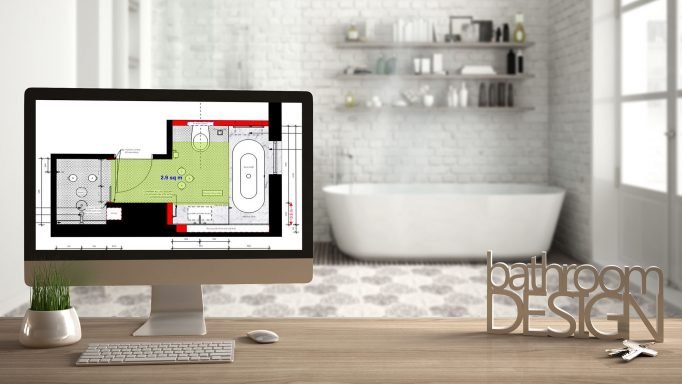
Computer displaying a bathroom floor plan with bathroom design lettering, in a modern Scandinavian bathroom

A Perfect Heating Solution for your Bathroom or Ensuite: Electric Floor Heating

A Perfect Heating Solution for your Bathroom or Ensuite.


Electric Floor Heating:  Cost-Effective, Gentle and Lasting Heat from the Ground Up!

Let’s face it, the time spent in your bathroom or ensuite can add up to many more hours than one would expect over the course of a lifetime, so it’s important to be comfortable in this environment.

Electric floor heating in small applications like bathrooms is very affordable luxury. It’s an easy way to take the chill off the floor and warm up the feel of your bathroom so that you and your guests can maximise the enjoyment of your time in this space!

What are your options?

There are two types of systems to consider when heating your bathroom floor:

X mat in glue or tile bed
In screed heating cable

Please note that insulation is always highly recommended under all floor heating systems to ensure less heat loss down into the ground while increasing the efficiency of your system.

The Beauty of a “Time in Use System”

Both the X mat and in screed cable systems are “time in use systems”, meaning that they only need to run when needed. This ensures the highest level of energy efficiency saving you money and reducing your carbon footprint.

When used in conjunction with a programmable thermostat you can program these systems to ensure they work to your required needs. It is very common for people to program their thermostat to allow for the floors to be warm when they wake up, turned off while they are at work and pre-heated again in the evening so they can arrive home to beautifully warmed floors.

See our X thermostat TS 500

X mat System:

X mats come pre-attached to an adhesive fibre glass mesh backing made in pre-determined sizes starting from .5m2 and increasing by .5m2 up to 4m2. This then continues to increase by a full square meter up to 10m2. The mat itself is 2.5 millimetres thick and is installed directly beneath the tile.

Warm up time: very responsive and warms the floors very quickly (note: the actual heat up time can be impacted by factors including the thickness of the tile and of the glue bed).

In Screed Cable System:

The In Screed System uses heating cable that comes in pre-determined lengths to fit into specific areas. It is attached to a mesh to be evenly spaced across the floor. The cable itself is 6mm thick and needs to sit in a recommended 20-25mm thick screed bed followed by tiling.

Warm up time: the warming of the screed bed itself can take longer than that of the Devimat, however, the screed is able retain the heat for a longer period of time.

A Complementary Bathroom Heating Solution

To top off the gentle warming effect of your bathroom or ensuite, consider eliminating the age old problem of foggy, steamy mirrors with a mirror heater.  No more wiping, no more streaks.  They are installed on the wall behind the mirror using suitable adhesive and a thermostat is NOT required to operate them.

Our Mirror Heater are maintenance-free and are manufactured using safe, rugged double insulated heating cable. The mirror heaters are quick and easy to install and usually connected via the power/light/fan switch.

Their running costs are low, especially when comparable to a light globe. The heaters are available in three sizes which can be adjusted to suit various shapes and they also come complete with a 10 year warranty!

The maximum temperature: 60°C

Devex Systems offers a range of floor heating mats and cables for a wide variety of applications. Please contact us on 1800 636 091 or email us at info@devexsystems.com.au


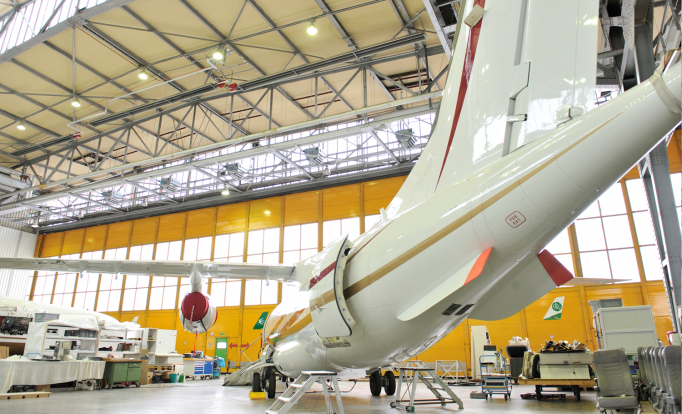
Schwank gas tube heaters installed in large aircraft hangar ceiling with commercial jet inside

7 Ways to Reduce Your Energy Costs Using Schwank Gas Radiant Overhead Tube Heaters

Based on the science of infrared radiant heating, Devex Systems offers a range Gas Radiant Overhead Tube Heaters that save on energy and significantly reduce the costs associated with heating commercial and industrial spaces.

7 ways to reduce your energy costs using Schwank gas radiant overhead tube heaters

1) Infrared radiation – The Efficient Kind of Heating
Schwank utilises the infrared radiation principle to produce heating systems that consume less energy and save on energy costs. By increasing the radiant heat temperature, the air temperature can be lowered without compromising comfort.

2) Avoiding hot air stratification below the ceiling – Infrared Heaters = Warmth at Occupancy Level
Infrared heaters by Schwank are designed to heat the surfaces, completely avoiding the thermal lift within buildings. Expensive and unnecessary hot air stratification beneath the building’s ceiling is reduced, lowering energy consumption and saving energy costs.

3) Reduction of transmission losses – Heating Buildings without Losses
The higher the temperature difference between two media, the more they strive to compensate for the temperature difference. This effect is called “transmission” and also applies to outside and room temperatures. Infrared heating can be precisely directed so that it does not heat the building walls more than necessary. It also reduces the difference between inside and outside temperatures to minimise transmission losses.

4) Short reaction and heat-up times – short heat-up times and modulating control system = heat felt immediately
Schwank infrared heaters directly generate radiant heat, unlike central heating systems that take time to heat up the air in the building envelope. Thanks to the short heat-up times and modulating control system the operating times of the heating system can be reduced to the absolute minimum while the distribution of heat can be felt immediately.

5) No distribution losses – Direct Radiant Heat Without any Losses
Conventional central heating systems cause energy and heat losses due to the long heat-up times accompanied by distribution and transmission losses. Locally installed infrared heaters made by Schwank directly convert primary energy such as natural gas, LPG or biogas to radiant heat, avoiding unnecessary transformations and transfer distances.

6) Heat only at the time and in the zone needed – Individual Heating Zones
Schwank infrared heaters can heat both the entire building and individual workspaces efficiently with the ability to control temperature individually in independent heating zones. The on-demand heating systems can be controlled according to actual use and to the shift and working times. An intelligent heating control adapted to these needs reduces the operating times of the entire heating system and directly saves energy costs.

7) Just the heating output needed – Intelligent Temperature Control
Schwank infrared heaters are offered with fully modulating control, ensuring the output of the heating system can be perfectly matched with the actual heat requirement of a building. Key benefits include enhanced level of comfort and further energy savings of up to 14%.


LEARN MORE!

Enquire about a FREE building assessment or ask for a quote!

1800 636 091 /   info@devexsystems.com.au

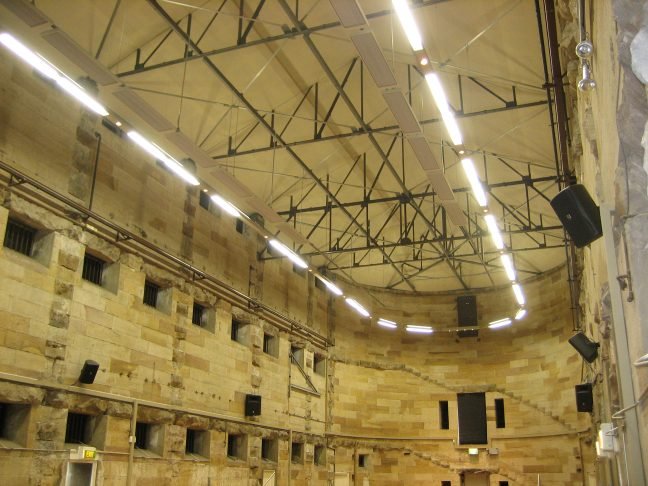
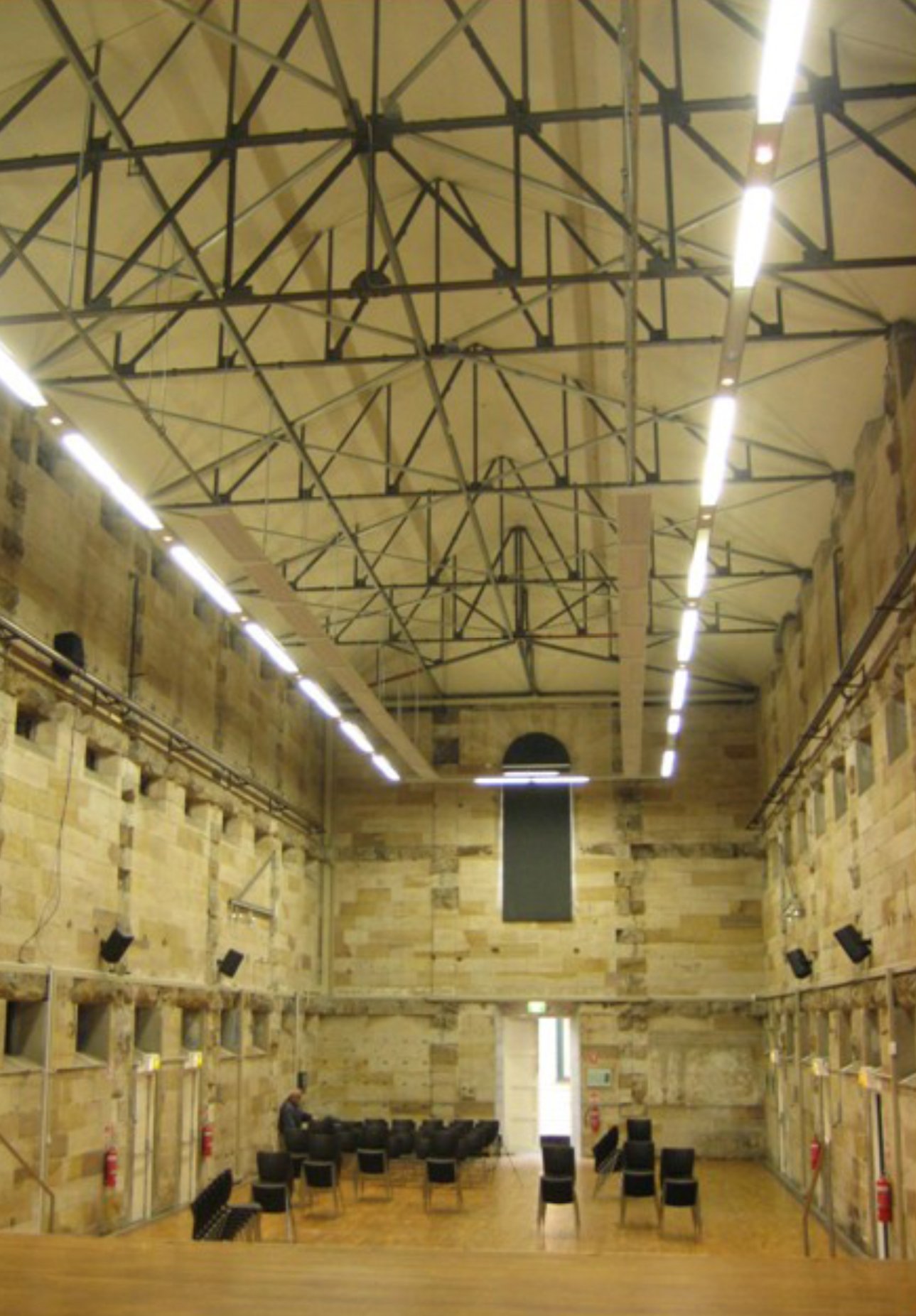
Schwank radiant heating installation inside heritage sandstone hall at National Art School Sydney

With the rising cost of electricity bills, the choice is “smart” heating or NO heating.

Not all spaces require heating throughout the entire area. Unnecessarily heating an entire room or outdoor space when only a particular area or section requires heating is not only a waste of energy, but it only adds to the already hefty sum of money that people and businesses are forking out to keep up with the rising cost of electricity.

“Smart” heating has become the only sustainable choice.

Overhead Radiant Heating Panels: A cost-effective heating solution for warming hard-to-heat areas


The Reality: 
Specialised energy efficient overhead radiant heating panels are becoming more regularly specified while conventional heating like forced air and radiators are beginning to be phased out.

Overhead heating has the following benefits over traditional heating (i.e. forced air, radiators, etc.)

  • Health & Wellness – allowing you to live free from dust and allergens that can lead to poor air quality and health problems
  • Comfort & Energy Efficiency –  allowing you to target very specific areas that require heating and offer a range of heat outputs for full control over the amount of energy consumed
  • Design & Appeal – allowing you the freedom of additional space by mounting your heating panels overhead. A sleek, modern and innovative appeal available in a range of colours.

FEATURES TO LOOK FOR:

BENEFITS:

  • heats people and objects NOT the air; science of “radiant” heat
  • no noise, fans or dust
  • reduces the circulation of dust and allergies
  • doesn’t take up valuable space

SUGGESTED PRODUCT: Comfortline Overhead Electric Radiant Heating Panels:

PRECISION COMFORT AND ECONOMY: 
Comfortline panels are offered with one, two or three elements. The higher output models with multiple elements can run independent of each other giving greater control over the radiant heat output. Panels generate the following in energy output:

1 Elements – 1x 980W or 1x 1,200W
2 Elements – 2x 1,000W or 2x 1,200W
3 Elements – 3x 1,100W or 3x 1,200W

ENERGY EFFICIENCY:  
Comfortline panels are designed based on the science of “radiant” heat . This means that they heat people and objects NOT the air, making it perfect for any application, especially environments opened to drafts. The radiant surface is designed in sections of naturally anodised aluminium, set in a galvanised steel case for strength and is packed with a rock wool insulation to minimise upward heat loss. As a result, the panels emit up to 10% more usable heat than similar panels on the market.

RUNNING COSTS: 
A single high capacity Comfortline panel costs about 60c/hour to run.  # A typical mushroom heater on bottled gas will cost five times that — up to $3.00/hour.

INSTALLATION: 
Installation is easy and straight forward for new or existing buildings.  Installation by a certified electrician is essential and they must assess the power supply to ensure that the premise can supplyadequate energy to these panels . This will also help to determine how many panels are required.

The panels can be mounted directly to a flat ceiling surface or suspended on chains or similar. These panels are perfect for overhead spaces as low as 2.4m, right up to 8m. They are hard wired and usually controlled with a simple switch. For indoor environments thermostats are also available.

WHAT INFLUENCES THE AMOUNT OF HEAT FELT? 
Comfortline overhead radiant electric heating panels radiate a gentle, natural heat downwards. For best performance, the heaters should be horizontally flat-mounted, however, they may be tilted up to 30 degrees, if required.  It is important to keep in mind that tilting will reduce the radiant output and the heating surface will run cooler as a result of convective air flow across the heating surface. The mounting height of the heater will also influence the amount of heat felt below.

CEILING HEIGHT:  
Designed for mounting between 2.4m to 8m as mentioned above, the recommended panel will take into account mounting height, location (indoor or outdoor) and the size/power.

NUMBER OF ELEMENTS: 
Where a heater is selected that has two or three heating panels, each panel may be run on its own.   For example:

  • Two Panel heater – one ON or both ON
  • Three panel heater – centre panel only ON : the two outer panels only ON : all three panels ON

AREA COVER: 
Based on the mounting height of the panels, heat radiates downwards at a nominal 60 degree angle, warming approximately the same space below in square meters as an area approximately equal to the square of the mounting height.

For example, if the panels are mounted at 2.4m from the floor (an average ceiling height), the heat will radiate downwards warming a square area of 2.4m x 2.4m.

DETERMINING THE NUMBER OF PANELS REQUIRED FOR A GIVEN AREA: 
This will be based on:

  • Mounting height
  • Location (indoor or outdoor)
  • Anticipated heat losses
  • Heater power selected

Generally, 100w/m² of radiant heating power can be used for an indoor environment, increasing to about 300w/m² for most outdoor environments.

SEE PROJECT SAMPLES

To learn more about our ceiling and mirror heating foils or other overhead interior heating options like Slimline overhead heating panels – the natural choice for indoor environments and an excellent heating solution that will ensure energy savings of more than 15% more compared to standard electrical convection heating, please visit  www.comfortline.biz

Engineers Australia logo

Devex Systems’ AB-QM Valve to be Featured at Engineers Australia Presentation this Sept 20th, 2012

Sydney Mechanical Chapter Engineers Australia – ASME – IMechE

Continuously Optimising HVAC Systems Towards Greater Efficiency The AB-QM Pressure Independent Balancing & Control Valve Perfect Control & Balance in One Valve!

Presentation by John Balass, Managing Director and Owner of Devex Systems & Derek Foong, Danfoss Global Technical Support Manager

Despite all of the innovations in the field of equipment efficiencies, it can still be challenging to optimise HVAC systems so that they are able to operate at their optimum level of efficiency all of the time. The unique AB-QM pressure independent balancing and control valve (PIBCV) has been developed to enable HVAC systems to stay automatically optimised delivering significant energy savings. The AB-QM valve also makes system commissioning quick and easy for the installer and helps to reduce the overall capital cost of a new HVAC system.

Many case studies have been conducted confirming the AB-QM valve’s ability to significantly improve system control and reduce energy consumption. Independent research institutes determined that the AB- QM valve provides superior performance in terms of valve authority compared to other pressure independent control valves on the market today.

In this presentation, John and Derek will offer an informative overview of the AB-QM valve discussing its functionality, application, significant energy & cost savings as well as local & international case studies – most notably a recent test case that was completed at the University of Technology, Sydney.

Please note that the test case at UTS was performed by Danfoss and Devex Systems. This product is not endorsed by UTS and the findings are solely based on the analysis of Devex Systems and Danfoss and not that of UTS.

Speakers:

John Balass is the Managing Director and Owner of Devex Systems, a leader in specialised heating, cooling and insulation solutions for new and existing buildings in residential, commercial and industrial environments. Established in 1978, the company has been in existence for over 34 years now. John has an engineering background and has business management experience in Australia, Europe, Asia and North America.

Derek Foong has several years of experience in control systems design & construction and hydronic balancing & control. He has visited over 350 buildings globally for hydronic installations and conducts over 60 training seminars annually in performance analysis, commissioning and applied practical solutions throughout Europe, Asia Pacific and other emerging regions. Derek’s focus at Danfoss has been in applying pressure independent technology as the main solution in system optimisation and energy efficient.

Details:

Date: Thursday, September 20th 2012

Starting: Light refreshments at 6.00pm for a 6.30pm start

Finishing: 7.40 to 7.50pm

Dinner Option: With the speakers; 8.00pm at a nearby restaurant (at cost)

Venue: Engineers Australia Auditorium – Ground Floor, 8 Thomas Street, Chatswood

Please RSVP today: https://events.engineersaustralia.org.au/ei/getdemo.ei?id=420&s=_2MW0KL8ZY

The meeting is open to all, and there is no attendance charge

Smiling woman wearing a phone headset providing customer support

Frequently Asked Questions: Electric and Hydronic Floor Heating Systems by Devex Systems

Question: What variables should I consider before purchasing a floor heating system?

Answer: There are a number of variables that will impact the capital and running costs of your floor heating system including:

  • Frequency and time of use
  • Size of application
  • Heat loss of your home
  • Insulation levels of the building
  • Electric vs. Hydronic Floor Heating Systems or a combination of the two

Installation costs will vary on a case by case basis, so it is essential to submit accurate and detailed plans to your supplier to ensure the most precise quote possible. In general, the initial capital cost of an electric floor heating system will be significantly less than that of a hydronic floor heating system of comparable size.

Question: I would like to heat my entire house with floor heating. How will the frequency of use and size of the application I am looking to heat impact the system I choose? 

Answer: Hydronic floor heating is a central heating system designed to run continuously during the (winter) heating season. It is not, however, designed for occasional “demand” heating like some electric floor heating systems. Hydronic floor heating is best used in spaces of 100m2 and larger with a minimum sizes requirement of 50m2, making it a suitable option for heating an entire home.  In general, hydronic floor heating will offer opportunities for lower running costs over the long-term. They are best installed at the time of construction, however, can still be installed as part of a renovation so long as specific installation requirements are met. In-screed hydronic floor heating systems are generally faster acting than in-slab systems. In-slab systems can take up to two days to heat up at the beginning of the winter season, depending on the thickness of the slab and the amount of floor insulation used, and will then remain on for the duration of the season. These systems can also be used under a wooden subfloor or under battened timber.

Recommendation: Floor Heat Australia hydronic floor heating system by Devex Systems.
Clic
HERE to learn more.

Question: I would like to heat my ensuite. How will the frequency of use and size of the application I am looking to heat impact the system I choose? 

Answer: Where greater heating flexibility is required, particularly for small areas such as bathrooms, en-suites and laundry rooms, electric floor heating is recommended. Electric floor heating can allow total flexibility and is not size dependent.  This system is commonly installed as part of a renovation and can be considered a more straightforward and economical install process when compared to hydronic floor heating. Cables embedded in screed or tile adhesive are “on demand” systems delivering luxurious warm floors.  These systems are the best option for rooms that have limited flexibility in floor height. In-slab systems take longer to heat up, but they store the heat for a much longer period of time.  They are more commonly installed at the time of construction because there is greater flexibility of floor height at this stage, note however, that In-slab systems are not well suited to small “isolated” areas within a large floor slab.

Question: How do I know if the floor covering I am using will be compatible with the floor heating system I install?

Answer: Electric and hydronic floor heating can go under almost any floor covering including all varieties of tile, marble, stone, slate, floating floors, carpet, and timber. There are, however, restrictions to keep in mind.  Floor heating systems should never be placed directly beneath carpet.   Protective screed or levelling compounds must be used to protect the heating system.

For example, if you are considering the installation of an electric floor heating system under a carpeted floor covering, it is important to keep in mind that the elements must be embedded within the slab or screed.  Similarly, Hydronic systems also have particular requirements that must be met when it comes to heating carpeted areas. These systems require a minimum concrete or screed cover over the pipes before the installation of any floor covering.

With timber floors, it is essential that the relative humidity of the timber not be reduced to the point where shrinking or warping of the timber could become apparent. To avoid this, it is important to aware of the heat restrictions noted by your timber flooring manufacturer when using both electric and hydronic floor heating systems. Because timber floors do not conduct heat energy as efficiently as other floor coverings, you may require an additional heat source to reach the desired room temperature on particularly cold winter days.

Question: Can floor heating systems be installed in new construction and renovations?

Answer: Yes.

Hydronic floor heating is best installed during the time of initial construction.  It can also be installed during a renovation, but there are specific conditions that must be met.  For example, finished floor heights will be raised considerably with hydronic floor heating, so this needs to be considered in advance of any renovation.  Hydronic floor heating can be installed in either of the following systems, in-screed, in-slab, under wooden subfloors and under battened timber floors.

Electric floor heating systems offer significant flexibility when it comes to renovations and new construction projects. The floor finishing you choose will influence the type of electric floor heating system suitable to the application. Electric floor heating systems can be installed in either of the following systems, in-screed, in-slab, embedded in tile adhesive, under wood subfloor and under battened timber floors. Generally, in-slab systems are installed in new construction projects more commonly than during a renovation. To avoid adding additional floor height, many people prefer using cable embedded in tile adhesive, also referred to as Devimat.

Answer: How do the running and capital costs of an electric and hydronic floor heating system compare?

Answer: This is a commonly asked and frequently debated question, but the fact of the matter is, there are a number of variables that need be evaluated to effectively answer this question.

Running Costs and Market Trends:
The cost of electricity and gas is significantly impacted by factors like changing conditions in the market. In Australia, the cost of electricity is soaring while gas is relatively cheaper than it has been in years. Being that a hydronic system is usually powered by gas boilers, the running costs are now significantly lower than what they are for electric floor heating systems.  In saying this, even at the moment, when we don’t see these fluctuations in the market, a hydronic floor heating system generally runs at a lower cost per kw/hr by at least 20% when compared to an electric in-slab floor heating system installed in a comparably sized application.

Capital Costs:
The capital costs of a hydronic floor heating system are significantly higher than an electric floor heating system. When taking into account the additional cost of boilers and manifolds, hydronic floor heating can far outweigh the cost of electric floor heating in a comparably sized application. These systems are also not as accommodating of complex floor plan layouts as electric floor heating systems. Electric floor heating systems are the more appropriate choice for small areas like bathrooms, ensuites and laundry rooms, not only due in part to the size and application (hydronic systems have a minimum size requirement of 50m2 plus), but also because of the lower capital costs associated with product and installation of a project of this size.

Question: How can I ensure the most cost savings from my floor heating system?

Answer: Despite the type of system you decide to use, the only way to ensure the highest level of efficiency, cost-savings and comfort is to INSULATE! Don’t let your hard earned money fly out the window (ceilings, walls or floors)!

On both a global and local level, government energy consumption standards continue to tighten, so insulation remains an important part of cutting down your energy costs and implementing environmentally responsible heating practices. This is especially important in the mid to southern regions of the country where temperatures can dip during the cooler months. In Australia, the level of insulation is generally lower than equivalent climates in North America and Europe. Insulation is designed to be used beneath floor heating systems to minimise downward heat loss and accelerate warm-up times.

Both electric and hydronic floor heating systems should ALWAYS be installed over some form of insulation.  As a start, extruded Polystyrene insulation is recommended at the time of any concrete slab system installation to minimise heat loss and ensure the highest level of energy efficiency and cost savings.  F-Board is a specially designed, thin board material (from 6mm) that is an excellent insulation product for placing beneath electric in-screed systems as well as under elements that have been embedded in a tile-adhesive, like Devimat.  Regardless of the floor heating system you choose, high grade insulation will ensure that your system maximises its energy output potential, giving you a higher overall return on investment.

Recommendation: F-board Insulation by Devex Systems. 
Click HERE to learn more.
 

Another factor in ensuring the highest efficiency of your floor heating system is a high quality electronic thermostat. This will allow you to independently control the heating of specific rooms or areas.  You can select from manual or programmable thermostats which will automatically meet your weekday and weekend lifestyle, or perhaps incorporate a mix of the two if preferred.  A good quality thermostat will allow for greater control over temperature and timing, making it easy for you to make the most out of your floor heating system by ensuring it runs as efficiently as possible.

Recommendation: X thermostat range by Devex Systems. 
Click HERE to learn more.


Note:

Using a high efficiency condensing natural gas boiler as an energy source for a hydronic floor heating system is also an important part of keeping running costs down. There are other energy sources that are compatible with these systems as well, by condensing gas boilers are a popular option with the costs of gas being as low as it is at the current time.

*It is important to review your state building code before installation to ensure the system complies with current regulations.


 

Schwank gas radiant tube heaters installed in large distribution centre warehouse ceiling

Gas Radiant Tube Heaters, the Perfect Energy Efficient Heating Solution for Large Applications

During the winter months it is becoming more common for large applications like factories and warehouses to use overhead heating in an effort to maintain a more comfortable working environment for staff and visitors passing through.  Staying abreast of innovative, reliable and cost-effective heating solutions on the market is a continuous effort, especially when it comes to heating large spaces.

Heating large applications isn’t always cheap, so it is imperative to put the time in at the front end to ensure you find the best system to suit your heating and application needs. Large industrial and commercial applications can require sophisticated systems and with the number of heating products on the market today, it can be a challenge to differentiate the good from the bad, but if cost savings are at the forefront of your mind, an energy efficient overhead gas radiant tube heateris a product to consider.

Gas radiant tube heaters are fast becoming the established norm in many parts fo the world for heating large environments.  The high efficiency of these systems is attributed to the science of radiant heat in that it heats people and objects, not the air. Infrared waves penetrate the air as electromagnetic waves – similar to the heat emitted by the sun. Industrial and commercial applications including warehouses, industrial factories, garages, sports facilities, gymnasiums and arenas are a great fit for these systems. These systems can be used in smaller applications like cafés and restaurants that fulfil certain requirements, but tend to be used more commonly in more opened spaces.

There are a number of features that will effect the level of efficiency your system offers. Systems with the highest radiant factors are required to optimise energy savings and carbon reduction. The Schwank Group patented a ceramic burner technology in 1938 that makes their tube heaters one of the most efficient on the market.  The ceramic burner technology creates a long, laminar flame that supports the uniform transfer of heat through the tube.  This ensures an even distribution of radiant heat and is instrumental to achieving a high degree of energy efficiency which can lead to impressive cost-savings over a relatively short period of time.

It is of particular importance to match each area’s operating characteristic with the correct heater type. Having multiple working areas can require different temperature settings and operating times, so flexibility is paramount. This can be easily achieved through zoning controls which can often be controlled and monitored by the site’s central building management system.

Selecting a system with intuitive technology is a vital part of achieving further cost-savings. It allows for fully modulating controls that adjust to the actual heat demand, a feature that can be difficult to find in most systems. Similar to the way in which a car can accelerate or decelerate through the gradual and controlled motion of someone’s foot. In well-designed responsive systems, reaching the desired temperature should be extremely fast.  Like switching on a light, the heat should be felt immediately.

Many large facilities use systems that have not been designed properly and are not able to effectively transfer the heat in a downward direction. This leads to a risk of losing large amounts of air with the opening and closing of site doors and windows. The more refined systems on the market have sophisticated technology to ensure against convective heat loss which increases the systems radiant factor significantly, again improving on efficiency.  Selecting a system that has reflectors designed to trap convection heat for conversion to radiant heat is another important factor in ensuring the heat moves in the desired direction. To satisfy heating and comfort requirements of a building with high levels of heat loss, radiant heating systems achieve this by warming the people and objects instead of the air.

Depending on the quality and lifespan of your existing system, it may be time to think about a replacement or an upgrade.  Don’t wait until your current system kicks the bucket; if it is not performing to your expectations or is nearing the end of its lifecycle, it may be an ideal time to invest in a better system that will result in considerable cost savings and a significantly higher degree of comfort. Selecting a system that offers a high return on investment over a short period of time can be tough to find, but it is possible.

 For more information on gas radiant tube and luminous heaters please click here

Devex Systems at the 2011 Sydney Home Show

The 2011 HIA Sydney Home Show was a great success! The Devex Systems stand received an overwhelming response from home owners, builders and skilled tradesmen.

Our electric floor heating systems attracted lots of attention from people interested in heating their bathrooms and kitchens. For larger applications, people found our hydronic floor heating systems to be a great option. Both systems offer a cost-effective and energy efficient alternative to conventional heating. Visitors got a thrill from testing out our floor heating systems in action through our sample display! Our Comfortline overhead heating panels were also a hit as many people gathered under our display panel to get a feel for the gentle, radiant warmth emanating from above. The HIA Home Show showcases over 300 exhibitors that display exciting and innovative solutions in building, home improvement, renovation and more!